Manufacturing ‘Corporate Jihad: How a Rumour Consumed Nashik
A single workplace dispute spirals into a full-blown “jihad” narrative—fueled by media frenzy, political interests, and digital misinformation. Inside the anatomy of a story that was built, amplified, and believed.
Social media networks and certain popular culture forms have invested the word “jihad” with the power, by its mere affixation to any other, to impart deeply sinister connotations. “Love jihad” is perhaps where the convention originated. It has since moved on. The most recent eruptions of public furore over a supposed “corporate jihad” are connected to events in Nashik, a growing hub of industry and services, some 200 km northeast of Mumbai.
The story began on a Marathi news channel and its associated X account on the evening of April 9. As the English commentary accompanying the news capsule on X explained, the charges ranged from manipulated romantic relationships, sexual harassment, molestation, forced consumption of beef, and insults to the Hindu religion. It had been uncovered following the strange conduct of a woman employee who had taken to wearing a burqa and observing the Ramzan fast in March.
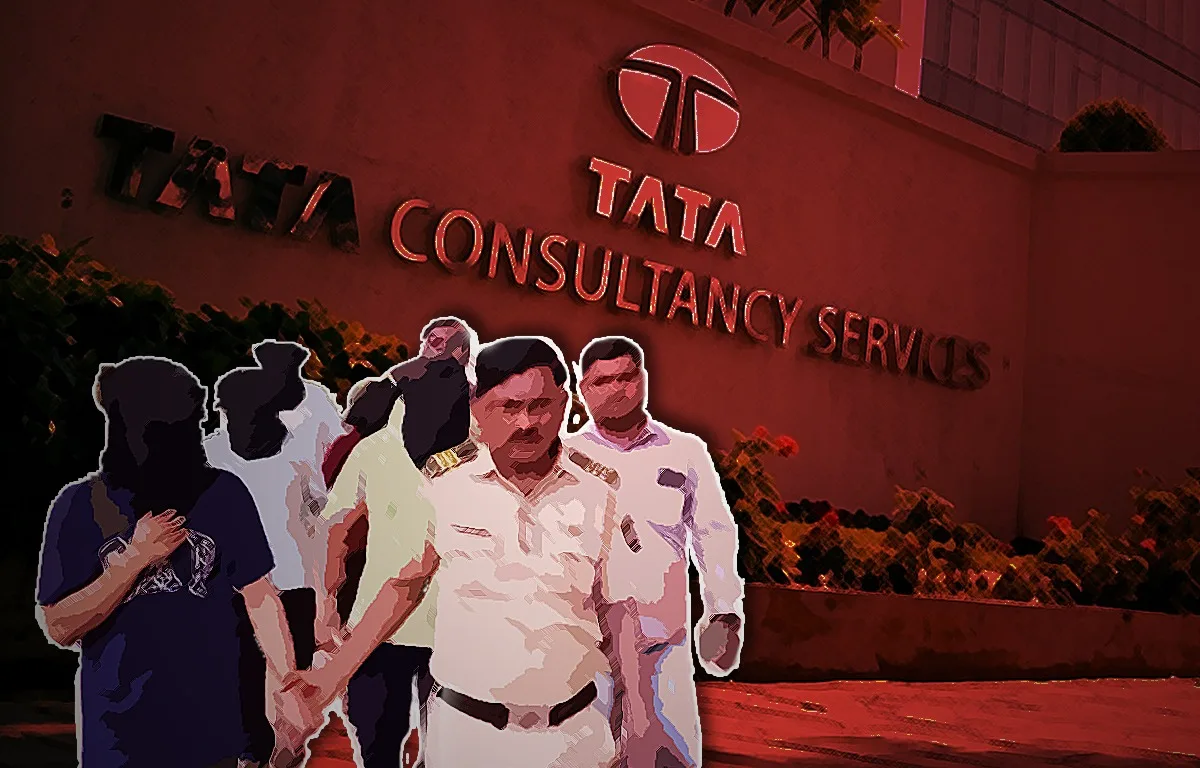
On April 10, a lawyer associated with the Maharashtra unit of the BJP posted a virtually identical narration on his X account, by which time a WhatsApp storm had begun to brew. The first group posts mentioned sweeping arrests at an office engaged in IT work in Nashik. In some accounts, the office was part of the global network of Tata Consultancy Services (TCS), India’s largest IT services enterprise. By other accounts, it was an independent unit doing contract work for the IT giant. Some seven professionals, all with names readily identified with the Muslim faith, were reported arrested on charges of sexual harassment and forced religious conversions.
On April 11, Opindia, a website strongly associated with the BJP, credited an undercover operation with having brought out sordid details of insults to Hindu deities, coerced performance of Islamic worship, and the force-feeding of taboo meat dishes to several of the employees of the Nashik unit. Seven policewomen, with great courage and guile, had evidently penetrated the TCS unit and caught the culprits “red-handed” after supposedly witnessing, first-hand, how “Hindu women employees (faced) sexual harassment and religious persecution”.
A little-known Hindi YouTube channel the same day ran a story full of dire warnings that Hindu honour was under threat from corporate culture and the “jihad mentality”. It was a story captioned with the promise that corporate enterprises would do a thorough background check on prospective employees if they belonged to the Muslim faith.
The website of the RSS weekly, Organiser, carried a report the day after, detailing a pattern of coercion, humiliation, and insults based on religion. An unnamed male employee spoke at length of the relentless insults he had to suffer from two of his seniors in the corporate hierarchy, both, of course, of the Muslim faith. The report rounded off with a reminder, just in case the reader was distracted by the complicated storyline: the whole matter began to be investigated after a female employee in March complained of physical intimacies with one of the accused men, followed by broken promises of matrimony and blackmail threats. She also spoke of a pattern of harassment based on faith and belief, stretching back to July 2022.
It took a while for the story to gain traction in mainstream media. On April 13, the Gautam Adani-owned NDTV published an account on its news portal, while the associated channel, in its primetime news broadcast, bragged about bringing out the “full truth”. On April 14, the primetime anchor welcomed viewers with the narrative that NDTV had “set the agenda” on the sordid events in Nashik and indeed “shamed other news outlets into breaking their silence”.
Meanwhile, an X post by a person with no clearly identifiable credentials was circulating on WhatsApp, with the embellishment of a picture taken from the promotional material created for a TV serial involving seven women police officers who do great acts of derring-do.
All TV channels by this time had joined the effort at finding more salacious and sordid depths, including the possibility of funding from abroad and a sinister link with a recent bomb blast in Delhi’s Red Fort area. The ratings game left them no alternative.
In the midst of all this, the Indian Express ran a story datelined Nashik, April 13 (published in print on April 14 and since updated), quoting the TCS top management’s admission of possible error in not having kept a stricter watch over complaints emanating from its Nashik unit. A senior management source was quoted saying that an oral complaint had been received from one female employee about unwanted romantic attentions from a person senior to her in the hierarchy. Nothing, though, had been committed to writing.
Local police had evidently been alerted to the strange behaviour of a female employee who had begun observing the Ramzan fast and “living in an Islamic manner” (whatever that may mean). Once the local police contacted the family of the woman in question, her family had stopped her from going to work. This had, in turn, led to the creation of an undercover team to infiltrate the TCS establishment in Nashik.
It seems increasingly clear that the whole operation was a “sting” carried out with political motives. In its print edition of April 16, the Indian Express reported that the entire fracas was caused by one romantic relationship gone wrong. It involved precisely one employee of the unit, no more.
By implication, the rest of the story was manufactured by the local police with the obvious intent of pleasing the political masters in Mumbai.
The TCS Nashik episode holds several warnings for the Indian media as it descends collectively into a state of abject servitude to power.
(Disclaimer: OBC encourages a diversity of ideas. The opinions expressed in articles may not necessarily reflect our editorial position.)
Sukumar Muralidharan
Independent journalist and journalism trainer based in the Delhi NCR.
View all posts by Sukumar Muralidharan