The Value of Irreverence
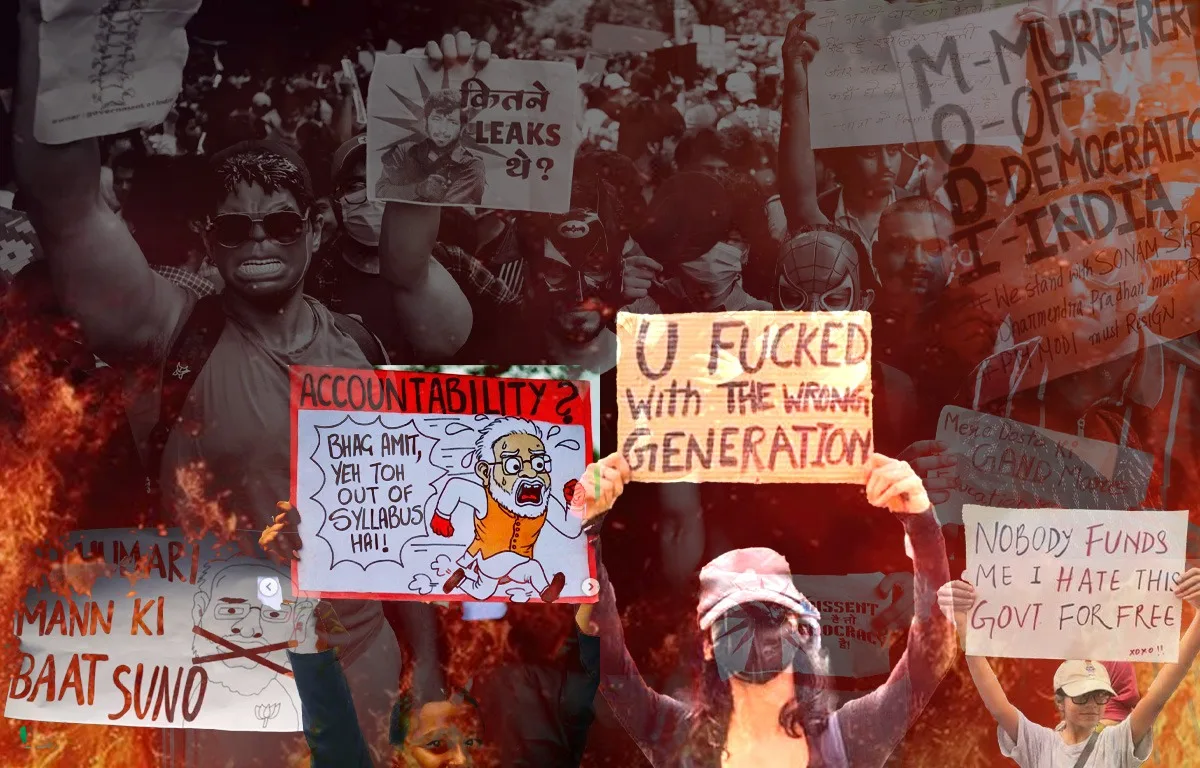
The memes weren’t just jokes. They marked the return of fearless political satire after years of silence. This essay argues that mocking power is not abuse—it is democracy reclaiming its voice. From Jantar Mantar to social media, satire has become the language of a generation refusing to be intimidated. This is an article about why laughter unsettles power more than slogans ever could.
Let us start with a simple question, a question that has been playing on my mind, as much as I am sure it has been on the minds of many people. Has any other Prime Minister of India, from the time the country has been free, been so mocked, ridiculed, lampooned, and treated with disdain as our current Prime Minister has been in the last few weeks?
No doubt, in response, many old timers may remember the cartoons of Sankar on Nehru, of Abu Abraham on Mrs Gandhi and of R.K. Laxman on a series of leaders from Nehru to Rajiv Gandhi and even beyond. Malayalis will certainly hark back to O. V. Vijayan’s cartoons and writings, especially his use of acidic, grotesque imagery that targeted Mrs Gandhi, and to VKN’s all-encompassing satire that spared no one. Yes, India has had a rich and fierce tradition of political satire in which cartoonists and writers acted as creators of popular laughter that strove to keep power grounded and accountable.
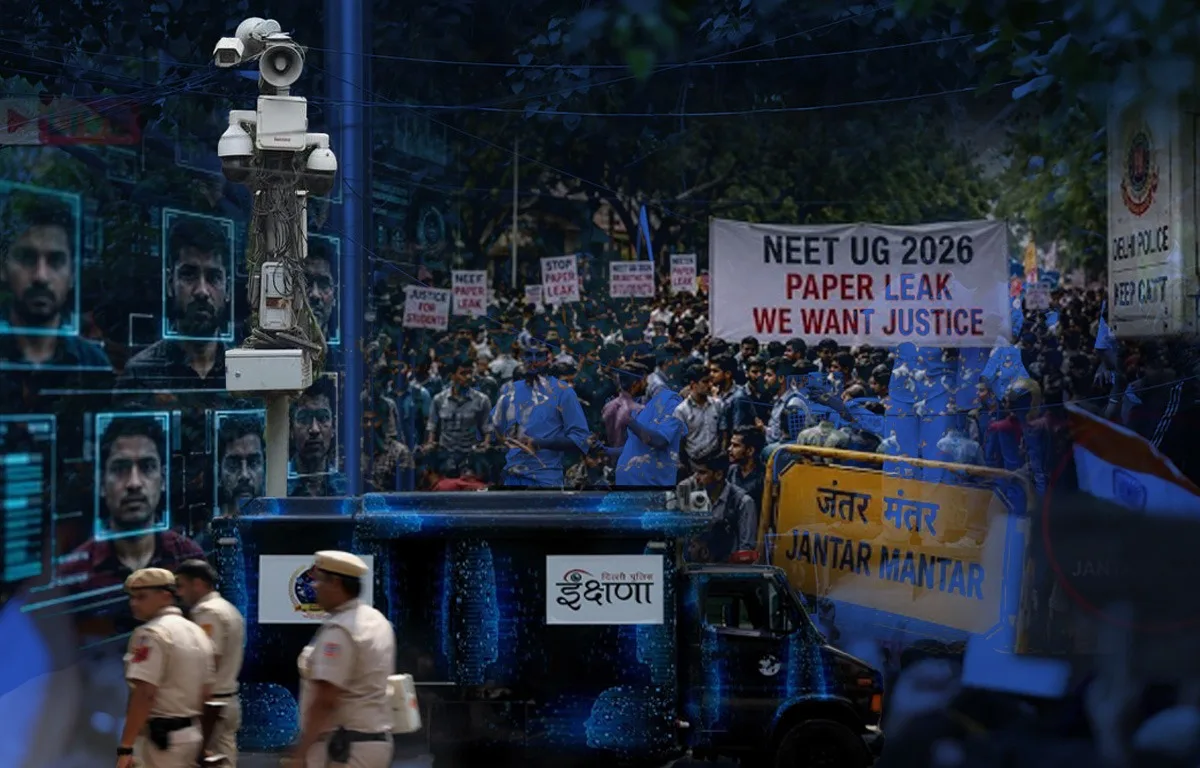
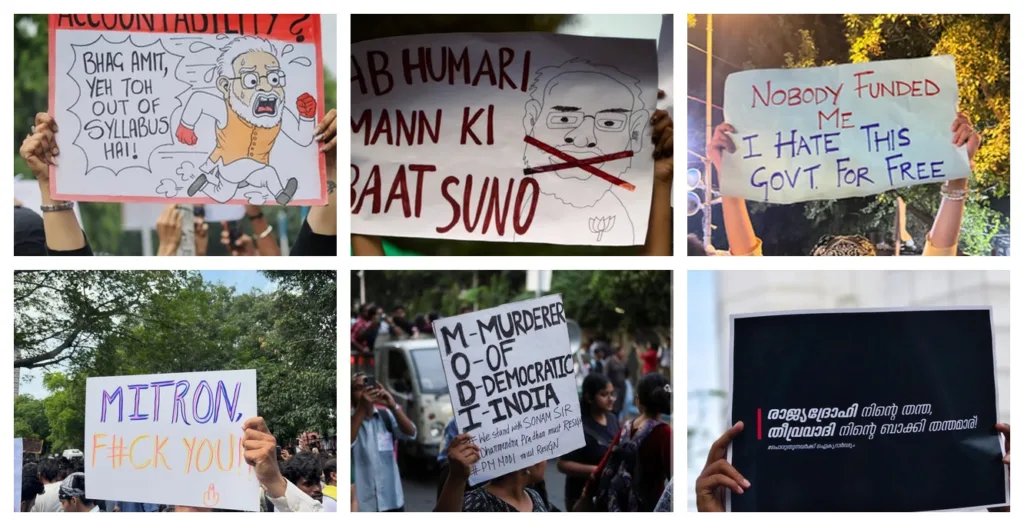
However, what has been directed at the current Prime Minister and the government is a far cry from the occasional, pointed critiques of yesteryears. The difference lies not only in its sheer volume, but in its very nature and language. On a closer look, three aspects stand out in stark relief in the phenomenon. The first is the suddenness with which it appeared, seemingly out of nowhere, unexpected and unanticipated, after more than a decade of what can only be called ‘intimidated silence’. What the protests of the Cockroach Janata Party and thousands of youngsters at Jantar Mantar achieved was an abrupt breaking open of the flood gates of satire, remarkable in its freshness, creativity and ingenuity. The second is the maddening pace with which it gathered momentum and participation. What started as a trickle has become a deluge. Even as the entire credit for the initial breakthrough goes to the younger generation – Gen Z as they have come to be identified – through their slogans, placards and memes, it has now assumed the contours of a popular movement with people of all ages, genders and communities joining in, some on the ground, many on social media, apparently having (re)discovered that they too have voices. The third is the general absence of uniformity in the content or thrust of the expressions, suggesting that far from a centralised, controlled system of slogan-making, what we are witnessing is a wider unleashing of the satirical temperament, in which everyone involved is a creator, a satirist, or at least yearning to be one.
Quite predictably, defenders of the government and the PM, in the guise of being proponents of propriety, have been up in arms, crying foul and accusing the youngsters and their allies of personal abuse, disrespect for elders and high office, and raising the frayed and worn-out spectres of being anti-national, un-Indian and sundry such allegations. Some observers have pointed out that they are only getting a dose of their own medicine back and that they have little moral right to object to others doing to them what they have done to others consistently for some time now. Compelling as this may sound, such arguments miss the point entirely because any comparison between the satirical expressions of the protesters and the invectives of the right wing is not only unfortunate but also fundamentally fallacious. The fallacy is not merely to do with the fact that one is inspired by genuine grievances and the other by a pathological state of hatred that is at the heart of ultra-nationalism. More importantly, it has to do with the distinction between dominance and subjection, authority and freedom, and ultimately the exercise of power and the resistance to it.
It is here that one has to distinguish between irreverence and abuse, and the fundamental philosophical, moral, and functional differences between the two. While both involve a refusal to show deference or respect, they stem from entirely different motivations, target different power dynamics, and produce quite opposite societal outcomes. The age-old story of the naughty boy who called out that the emperor has no clothes reveals the inherent value of irreverence. It is the weapon of the relatively powerless, directed at the powerful, the pompous, or the sacred. It targets systems, ideologies, offices, and institutions, or the inflated egos of those who temporarily wield power. It mocks the dogma, or the pretense, rather than the inherent dignity of the human being. Employing wit, satire, irony, or playful mockery to demystify authority, it subverts power from below and offers a democratic corrective. As Vaclav Havel has observed in his famous work, The Power of the Powerless, irreverence – through literature, artistic subversion, or political jest – releases the ‘disruptive force of mockery’ and refuses to participate in the “ritual of pretense.” When citizens stop treating official ideology with reverence, the entire apparatus of ideological control begins to fracture because it relies on enforced solemnity to sustain itself.
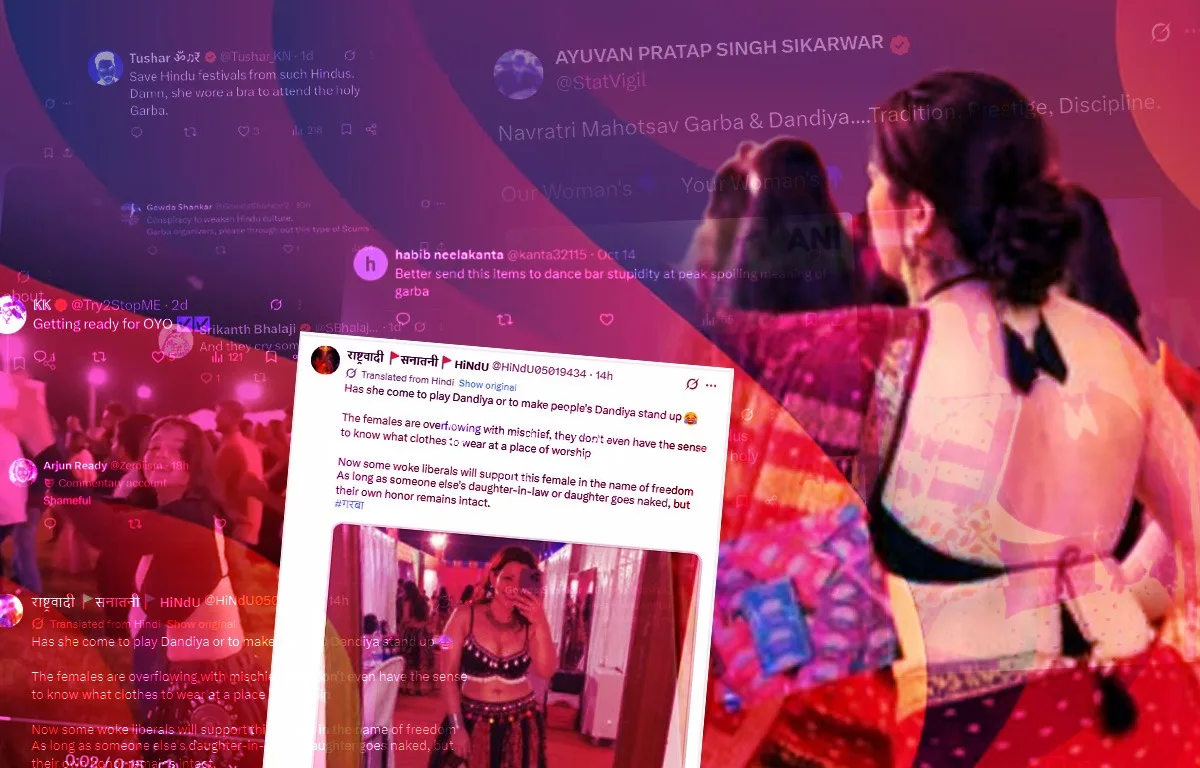
Abuse, on the other hand, is an exercise of domination. It is an attack on the psychological, physical, or moral integrity of a person, often weaponised to silence, humiliate, or destroy. It typically targets individuals or vulnerable groups—often flowing downward from the powerful to the powerless, or sideways through harassment and malice. It relies on cruelty, insults, dehumanisation, and intimidation. Unlike irreverence, which invites shared laughter at an absurdity, abuse seeks to inflict pain, strip away agency, and reduce a human being to an object of contempt. If irreverence opens up space for critical thought, dialogue, and freedom, abuse shuts down discourse, breeds fear, and enforces conformity or submission. It closes minds rather than opening them. In many modern political and cultural debates, we can see repeated instances of authoritarians intentionally blurring this distinction. Displays of irreverence toward a leader’s policies or grandiosity are often rebranded by those in power and their supporters as abuse, blasphemy, or disrespect, all to criminalise dissent.
This is where we realise the value of irreverence in democracy. The deliberate refusal to treat sacred cows, political authority, or established orthodoxies with solemn respect is not irresponsible mockery but an essential diagnostic tool, a resistance against totalitarianism, and a vital catalyst for democratic renewal. A healthy public sphere requires continuous contestation. Reverence breeds consent, which easily hardens into dogma. Irreverence, by contrast, functions as a form of productive friction. It forces institutions to justify their existence rather than relying on tradition or unearned prestige. As Voltaire has argued, democracy cannot function without the right to treat deeply held dogmas irreverently. Without the freedom to mock religion, nationalism, or state ideology, tolerance becomes empty, because true tolerance is only tested when ideas we find sacred are subjected to irreverent critique. Totalitarianism is built on solemnity; democracy thrives on the freedom to scoff at its own reflection.
What we saw at Jantar Mantar was a youthful celebration of democratic irreverence, an unfettered release of the satirical imagination, and an emphatic statement that the young are no longer afraid. The dynamic unfolding of the protests, with hundreds of memes of biting satire, was a living modern exercise in democratic irreverence, subverting systemic pomposity through collective humour, resilience, and wit. Young citizens turned derogatory dismissals by authority (the judiciary, to be more precise) into a badge of honour, weaponising laughter to puncture the solemnity and invincibility claimed by institutional power. Rather than engaging in destructive abuse, these demonstrations targeted administrative failure and structural opacity with sharp political subversion, proving that when formal spaces fail to account for the youth, popular laughter and public refusal can successfully challenge the status quo and reclaim democratic accountability.
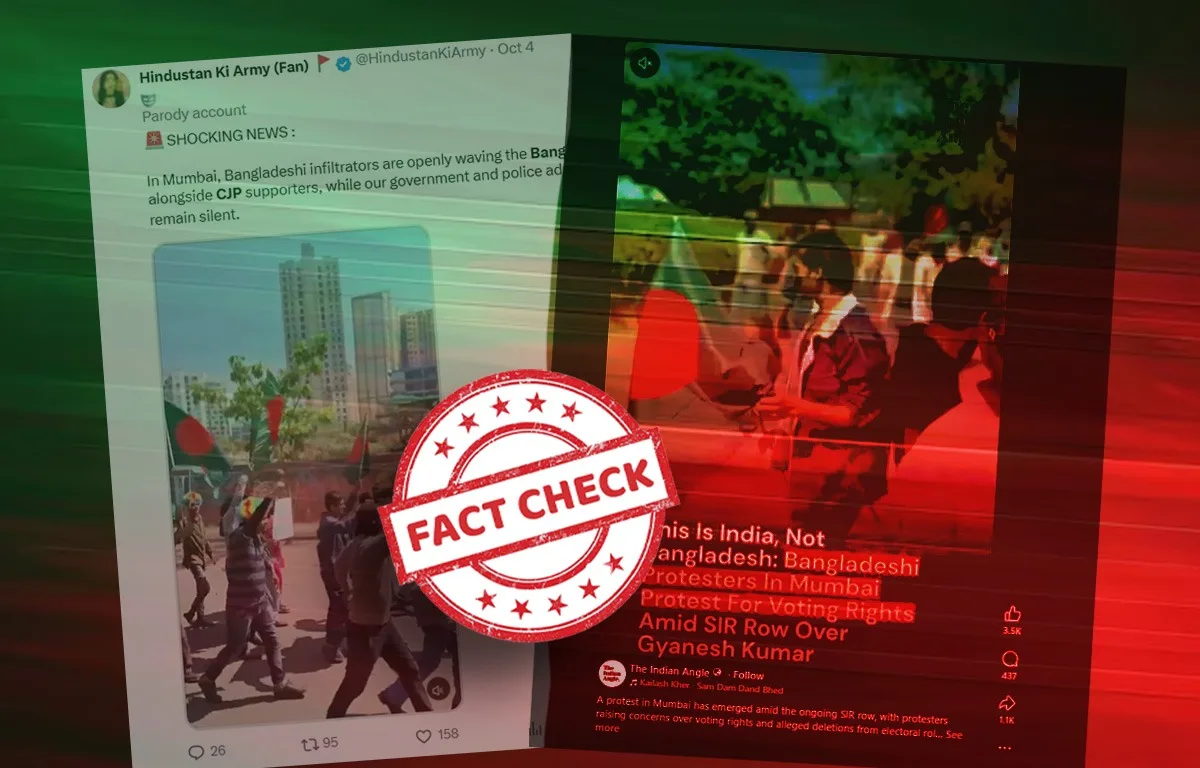
The state’s response was, to put it mildly, criminal and pathetic. In the place of democratic dialogue, it gifted the protesting youth with brute force and arbitrary violence. Even in the face of such state aggression, that the protests remained mostly peaceful, that the protesters continued to offer food and water to the police (“so that they could have the strength to beat us the next day too,” as one protester said heartily), and laughed and joked with them, was probably the greatest statement of irreverence. It was a refusal to be cowed down or to be dehumanised by the brutality, and an unequivocal demand that the state become more human and humane. No amount of prevarication can alter this fact. No number of fake stories, mass-produced by the factories of misinformation, can erase this truth.
This is exactly why the movement, even after it has been called off temporarily, has refused to die. It has released the genie from the bottle, spawning a remarkable culture of irreverence expressed in manifold ways. Where it shall lead and what the outcome will be, one can only wait and see. Given the state’s immense repressive power and its manifest lack of moral compunctions, it may be foolhardy to be unduly optimistic. However, the youth of the country have opened a door, a door that cannot be closed again easily, and that is undeniably a good tiding for democracy.
M V Narayanan
M. V. Narayanan was Professor of English at the University of Calicut.
View all posts by M V Narayanan