
Toxic Traces: What Uranium in Bihar’s Breastmilk Reveals
From poisoned wells to contaminated breastmilk, a new study exposes the deepening environmental crisis in Bihar. While immediate health threats appear limited, the findings warn of long-term risks for infants and a neglected groundwater emergency.
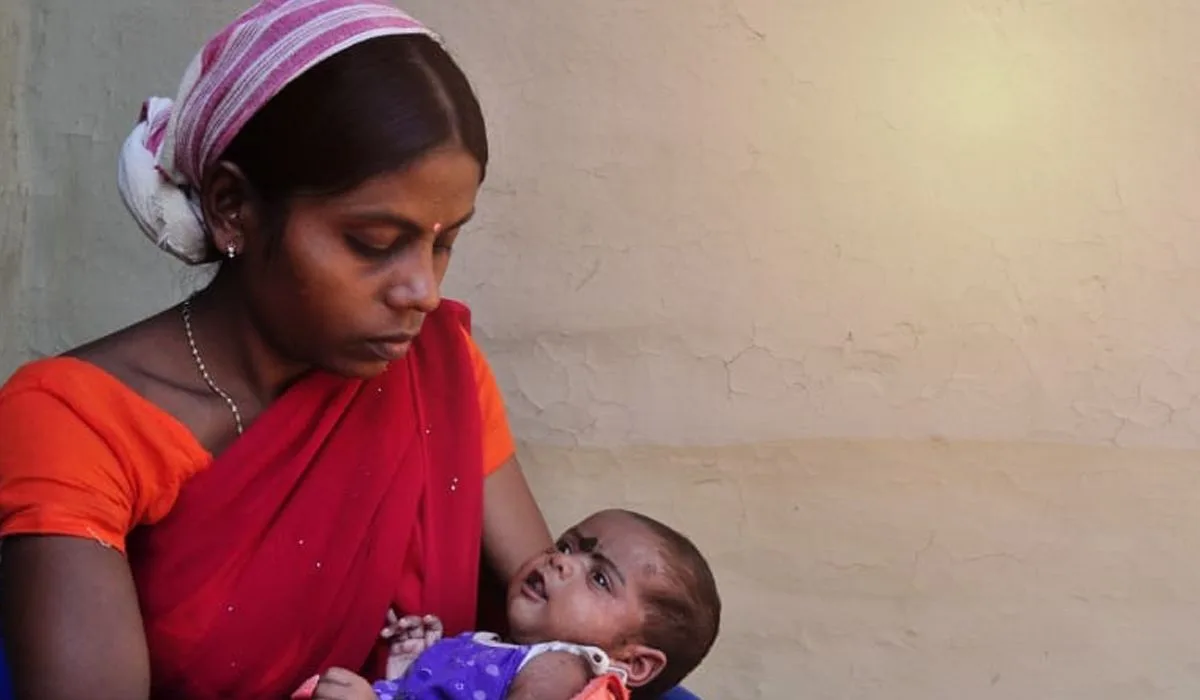
A state long grappling with poor social and economic indicators has now hit a new low. A study from Bihar, published in the journal Nature in November, points to a grave situation: breastmilk samples from 40 lactating mothers were found to be “highly contaminated” with uranium, a naturally radioactive element. The study indicates that uranium contamination in breastmilk could pose health concerns for exposed infants. It also warns of a severe groundwater contamination crisis in Bihar, exposure to which may have led to the presence of uranium in breastmilk.
However, the report also states that since the recorded concentrations are below the permissible limits, there could be the “least significant health threat” from the current situation. Experts, however, point to a broader warning of environmental contamination reaching the most vulnerable sections of a state already burdened with economic and social vulnerabilities.
How grave is the situation?
Carried out at the Patna-based Mahavir Cancer Sansthan and Research Centre, this was the first study in the country that estimated uranium exposure among subjects inhabiting the Gangetic plains of Bihar. The researchers analysed breastmilk samples from 40 lactating mothers, aged between 17 and 35 years, across six districts—Bhojpur, Samastipur, Begusarai, Khagaria, Katihar, and Nalanda. The study revealed that uranium was detected in all samples, with concentrations ranging from 0 to 5.25 micrograms per litre (µg/L). There is currently no prescribed permissible limit for uranium in breastmilk. However, the United Nations’ World Health Organization (WHO) has set the permissible limit for uranium in groundwater at 30 µg/L.

“Infants absorb certain substances, including heavy metals, more readily than adults,” the report says. The presence of uranium in breastmilk can have several potential consequences for infant health, including long-term kidney damage and the possibility of developing cancer later in life, according to the report. It may lead to low IQ, deteriorated neurological development, a weakened immune system, and various mental health issues. The study, carried out between October 2021 and July 2024, found that 70% of the studied infant population has the potential to suffer non-carcinogenic health effects. However, it does not pose the same level of risk to the mothers, the study adds.
The Larger Threats: Uranium Poisoning and Groundwater Contamination
“Water can be one of the significant sources of uranium contamination in the exposed population,” the study notes. Drinking water sources or locally cultivated food could be the route through which the harmful element enters breastmilk. The report said that the discharge of untreated or inadequately treated industrial effluents into rivers and other water bodies contributes to the pollution of the aquatic ecosystem. This pollution can introduce heavy metals and other toxic substances into the food chain, ultimately affecting human health, it added.
Citing multiple previous studies, the report notes that severe uranium contamination has been found in groundwater samples from Bihar. The report also refers to research highlighting that uranium levels exceed the WHO permissible limits in other states such as Rajasthan and Gujarat. According to the study, conditions such as irrigation, fertilizer use, and an arid climate contribute to uranium enrichment.
A recent report presented in the state assembly as part of the Bihar Economic Survey (2024–25) also highlighted the presence of hazardous chemicals in groundwater. The state’s Public Health Engineering Department (PHED) stated in the study that around 26 per cent of rural wards across 31 districts have groundwater sources contaminated with arsenic, fluoride, and iron beyond permissible limits.
Several studies have previously flagged the presence of arsenic, another dangerous chemical, in staple food crops of the state. An earlier study by the same institution had revealed that 55 per cent of exposed lactating mothers had arsenic concentrations in their breastmilk exceeding the WHO’s permissible limit.
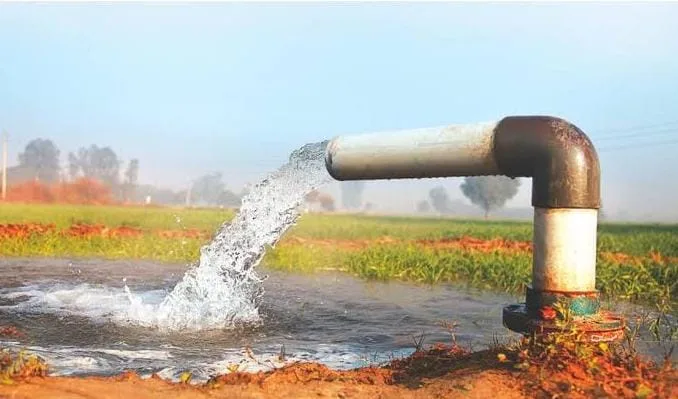
In a reply to a question in the Lok Sabha on July 24, 2025, the Minister of State for Jal Shakti, Shri Raj Bhushan Choudhary, said that “water safety has been one of the key priorities under the Jal Jeevan Mission since its inception.” He added that to facilitate the implementation of the framework, around 2,180 water quality testing laboratories have been set up across the country, including 123 in Bihar.
No Immediate Threats Ahead
Even though the studied population lives in regions where uranium is present in groundwater, the concentrations detected in breastmilk remained within low microgram-per-litre levels. According to the report, this is because uranium is more likely to settle in the body’s hard tissues like bones and kidneys than pass into breastmilk. The impact may be further reduced, as the primary route of excretion of the metal from the infant’s body is through urine.
The report, however, emphasised that breastfeeding remains the optimal method of infant nutrition and should be discontinued only for medical reasons. Health experts have also warned against creating fear among the public over breastfeeding. Government efforts should focus on the larger issue of groundwater contamination and its potential health impact on the population, with particular attention to the vulnerable sections.